Green Coffee Bean Extract & Chlorogenic Acid: An Honest Review
Quick answer: is green coffee bean extract worth it?
Green coffee bean extract delivers chlorogenic acid, a compound that may modestly slow how quickly you absorb carbohydrates and support glucose handling. Controlled trials show only small average weight differences, the extract still carries some caffeine, and quality and dosing vary widely between products, so treat it as a minor helper alongside diet and exercise rather than a solution.
- What does the work: chlorogenic acid, the polyphenol the extract is standardised around, not the raw bean weight.
- Typical study dose: roughly 200 to 400 mg of standardised extract, once or twice daily.
- What it is not: a fat burner, an appetite switch, or a treatment for any medical condition.
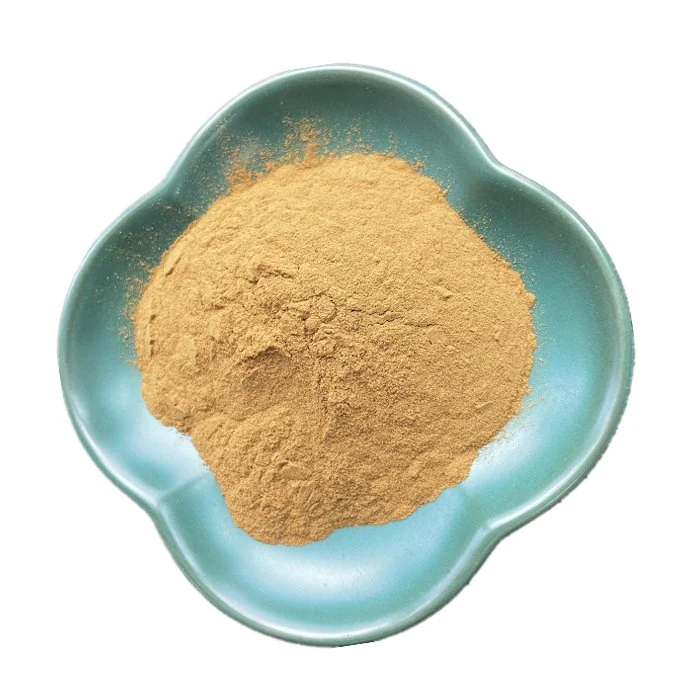
Search the phrase and you will find green coffee bean extract sold as the ingredient that finally makes weight loss effortless. That story earned its momentum from a small number of short trials and one very famous television segment, and most of the certainty has since drained out of it. What remains is more modest and more useful: a plant compound with a plausible mechanism, a scattering of real but small human results, and a supplement shelf that has run a long way ahead of the data. This review separates the two, because the gap between them is exactly where your money is either well spent or wasted.
What green coffee bean extract actually is
Green coffee beans are not a different plant. They are ordinary coffee beans that have not been roasted. Roasting is what turns them brown, produces the flavour we associate with coffee, and, crucially, destroys a large share of one particular family of compounds. Leaving the beans unroasted preserves those compounds, and the whole commercial case for the extract rests on keeping them intact.
The extract is made by soaking or otherwise processing the raw beans to concentrate their water-soluble fraction, then drying it into a powder that goes into capsules, tablets or blends. Because the powder is a concentrate, a small capsule can carry the polyphenol content of a much larger quantity of beans. That concentration is the point, and it is also where the quality of one product diverges sharply from another. Two bottles can both say green coffee bean extract on the front and contain meaningfully different amounts of the compound that matters.
That compound is chlorogenic acid, and understanding it is the difference between reading a label with clear eyes and taking a marketing claim at face value.
Chlorogenic acid: the compound doing the work
Chlorogenic acid is not a single molecule but a family of related plant polyphenols. They are widespread in the plant kingdom, appearing in apples, pears, artichokes and many other foods, but unroasted coffee is one of the richest sources, which is why it became the commercial vehicle. When a product is standardised, it is standardised to a stated percentage of chlorogenic acids, and that percentage is the single most informative number on the panel.
Two mechanisms are usually cited for it. The first is an effect on carbohydrate handling: chlorogenic acid appears to slow the enzymes that break down and absorb sugars in the gut, which could blunt the rise in blood glucose after a meal. The second is antioxidant activity, the broad and much-overused property that appears on almost every botanical page. The carbohydrate mechanism is the more relevant of the two for weight and glucose claims, and it is genuinely plausible. Plausible is not the same as proven at a scale that changes your body, and that distinction runs through the whole rest of this article.
It is worth naming the honest limit here. A mechanism observed in a test tube or in a short metabolic study tells you something could happen. It does not tell you how much happens in a real person eating real meals over real months, and marketing routinely treats the first as if it were the second.
What the weight-loss trials really found
This is the part that matters, so here it is without softening. Green coffee bean extract has been tested in humans, several of the trials reported weight differences favouring the extract over placebo, and the average size of those differences was small. When independent analysts pooled the studies, they consistently described the body of evidence as made up of small, short trials of low to moderate quality, some with clear industry involvement, and they were careful not to overstate the result. One of the most cited early trials was later retracted, which did real damage to the ingredient's credibility and is a fair thing to know before you buy.
Put in plain terms: the honest expectation is a modest nudge, on the order of a few pounds over a matter of weeks in the studies that found anything, layered on top of whatever the participants were already doing with diet. That is not nothing. It is also not the transformation the category sells, and a difference that small is easily swallowed by the ordinary week-to-week swing in a person's body weight. If you cannot feel or reliably measure the effect, calling it a weight-loss result is technically defensible and practically misleading.
None of this makes green coffee bean extract a scam. It makes it a minor, optional lever with a real but small evidence base, best judged the same way you would judge chromium picolinate for cravings and blood sugar or any other supporting-cast ingredient: helpful at the margins, useless as a substitute for the fundamentals.
Read the panel before you pay for the promise
Whatever an ingredient can do lives on the label, not the sales page. Jelly Force takes the botanical route rather than the green coffee approach, and every ingredient and its milligram total is printed in the open. If you are deciding where to buy weight loss support you can actually read, start with a formula that states what it commits to.
See the Official Jelly Force StoreThe caffeine question people forget to ask
Because green coffee beans are unroasted, not decaffeinated, they still contain caffeine. How much survives into the finished extract depends entirely on processing, and this is the detail that catches people out. Someone takes a green coffee product for its polyphenols, does not think of it as a stimulant, and then wonders why their sleep is fragmented or their heart rate feels a little quick in the afternoon.
The practical points are simple. Some extracts are decaffeinated and some are not, and the label does not always make this obvious. If you already drink coffee, an undeclared dose of caffeine on top of it adds up. Anyone who is pregnant or breastfeeding, sensitive to stimulants, managing blood pressure, or taking medication should treat total daily caffeine as a real number to track rather than an afterthought. A stimulant effect can also masquerade as the supplement working, since caffeine mildly suppresses appetite and lifts energy in the short term, which is a separate thing from any polyphenol benefit.
Why the same milligram number means different things
If you take one shopping habit from this review, take this one. The number that decides how much active compound you are getting is not the total milligrams of extract, it is the standardised percentage of chlorogenic acids multiplied by that weight. A 400 mg capsule standardised to 45 percent chlorogenic acids delivers far more of the working compound than a 400 mg capsule standardised to 10 percent, or one that does not state a percentage at all.
| What the label shows | What it actually tells you | How much weight to give it |
|---|---|---|
| Milligrams of extract only | The raw weight, with no way to know the active content | Low on its own; needs the percentage to mean anything |
| Standardised to X% chlorogenic acids | The genuinely useful figure; multiply it by the weight | High; this is the number to compare between brands |
| Caffeine content stated | Whether it was decaffeinated and how much stimulant you get | High for anyone tracking total caffeine |
| Proprietary blend, no split | That green coffee is somewhere in a mixture at an unknown dose | Very low; the trial doses cannot be assumed to transfer |
| Third-party tested | An outside lab checked identity and contaminants | High; the cheapest signal of a serious manufacturer |
Applied to any listing, that table is a thirty-second filter that removes most of the shelf. The products left standing are the ones willing to tell you the percentage, the caffeine, and who tested the batch. The rest are asking you to trust a front-of-bottle claim, which is precisely the thing this category has not earned.
Green coffee bean extract is a real ingredient with a plausible mechanism and a small, shaky evidence base. Both halves of that sentence have to survive together, and any page that only quotes the first half is selling you the story rather than the substance.
Three objections worth answering honestly
"But there are studies, so it works." There are studies, and some are positive, and they are still small, short and uneven, with at least one high-profile retraction in the mix. Existence of trials is not the same as strength of evidence. The honest read is a real signal on a thin measurement floor, which is exactly how careful reviewers describe it.
"It is natural, so it is safe." Natural describes origin, not risk. Green coffee bean extract carries caffeine, interacts with the same considerations any stimulant does, and has been studied mostly over short periods, so long-term safety data is thin. Natural is a marketing word, not a safety rating, a point we make the same way in our guide to cayenne and capsaicin for thermogenesis.
"If it slows carb absorption, I can eat what I want." No. Even taken at face value, a modest slowing of glucose release does not offset an energy surplus. The trials that found weight effects were run in the context of the participants' overall intake, not as a licence to ignore it. The mechanism is a small tailwind, not a shield.
What green coffee bean extract cannot do
Stated plainly, because most product pages leave this section out. It cannot treat, cure, prevent or reverse any disease, and no dietary supplement may be marketed as though it can. It cannot replace an energy deficit; in the trials where weight moved, diet moved it too, and the extract sat on top of that. It cannot be assumed safe by default, because it carries caffeine and its long-term record is thin. And it cannot escape its own dose, so a proprietary blend hiding an unknown quantity of green coffee tells you almost nothing about whether the study doses apply to that bottle.
Where green coffee bean extract sits next to Jelly Force
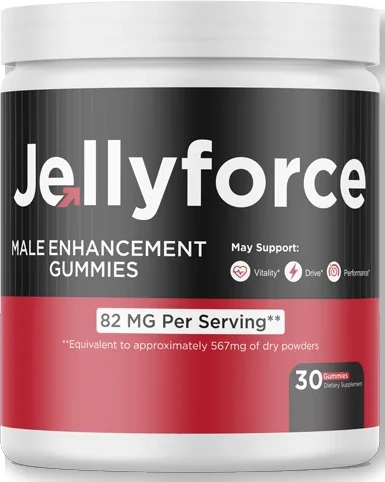
We should be direct about the connection rather than imply one. Green coffee bean extract is not on the Jelly Force ingredient label. Jelly Force names five botanicals, muira puama, maca, catuaba, ashwagandha and L-arginine, totalling 82 mg per serving, and it takes a botanical vitality-and-support route rather than a chlorogenic-acid one. We cover green coffee here because you will meet it on every second product page while you shop this category, not because it is in this product, and saying so is more useful than pretending otherwise to capture a search term.
The reason to learn how green coffee bean extract is really evidenced is that the same reasoning transfers everywhere. Once you can spot a small pooled effect being sold as a transformation, or a milligram number standing in for an active dose, you can read any weight supplement panel with the same discipline. If you want to see that discipline applied to this exact formula, our piece on whether Jelly Force actually works runs the identical exercise on its named ingredients rather than on a borrowed one.
Frequently asked questions
Does green coffee bean extract help weight loss?
It may help a little. Controlled human trials link green coffee bean extract to small average weight differences, often a couple of pounds over a few weeks, and the analysts who pooled those trials rated them as small and low to moderate quality. Treat it as a minor helper alongside diet and exercise, not a standalone solution, and expect results well short of what marketing pages promise.
What is chlorogenic acid?
Chlorogenic acid is a family of plant polyphenols found in high amounts in unroasted coffee beans and in smaller amounts across fruit and vegetables. It is the compound green coffee bean products are standardised around. In the body it may slow the release of glucose from a meal and act as an antioxidant, which is the mechanism behind most of the weight and blood sugar claims made for the extract.
Does green coffee bean have caffeine?
Yes, though usually less than roasted coffee. Green coffee beans are simply unroasted, so they still contain caffeine, and the amount left in an extract depends on how it was processed. Some products are decaffeinated and some are not, so anyone sensitive to stimulants, pregnant, or taking medication should check the label and total daily caffeine before using it.
What dose of green coffee bean is used?
Human studies have commonly used somewhere between about 200 mg and 400 mg of a standardised extract once or twice a day, chosen partly for its chlorogenic acid content rather than the raw powder weight. Because standardisation and chlorogenic acid percentage vary widely between brands, two products listing the same milligrams can deliver very different amounts of the active compound.
Scientific references
- PubMed — randomised controlled trials of green coffee bean extract and body weight (search record)
- PubMed — chlorogenic acid and glucose absorption (search record)
- NIH National Center for Complementary and Integrative Health — Dietary and Herbal Supplements
- NIH Office of Dietary Supplements — Dietary Supplements for Weight Loss
- Federal Trade Commission — Dietary Supplements: An Advertising Guide for Industry
Related reading
- Chromium picolinate for cravings and blood sugar: what the evidence shows
- Cayenne and capsaicin for thermogenesis: the effective dose
- Does Jelly Force actually work? The evidence, ingredient by ingredient
- The best weight loss gummies of 2026, honestly ranked
Compare a real label, not a headline
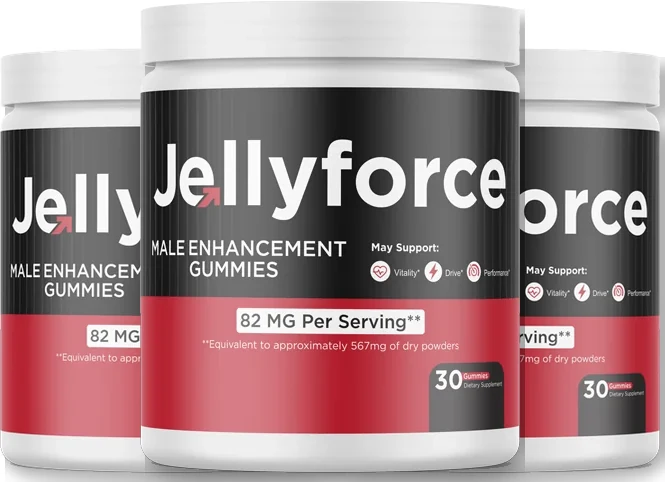
Five named botanicals, 82 mg per serving in total, and a 60-day money-back window that starts at purchase. If you are weighing green coffee bean claims against a botanical gummy, read the panel first, then decide.
Go to the Official Jelly Force Store