Chromium Picolinate, Cravings and Blood Sugar: The Honest Weight-Loss Picture
Quick answer: does chromium picolinate curb cravings?
The chromium picolinate weight loss story is mostly about blood sugar, not fat. Chromium's recognised job is supporting normal blood-glucose control and macronutrient metabolism, and a few small studies suggest it may modestly reduce carbohydrate cravings in some people. The craving evidence is thin and inconsistent, and any effect on weight itself is small. Treat it as gentle support, not a solution.
- Established role: supporting normal blood-glucose control and macronutrient metabolism.
- Typical study dose: 200 to 1,000 mcg of elemental chromium a day, usually as picolinate.
- The honest caveat: the weight effect is small, so pair it with a balanced diet rather than in place of one.
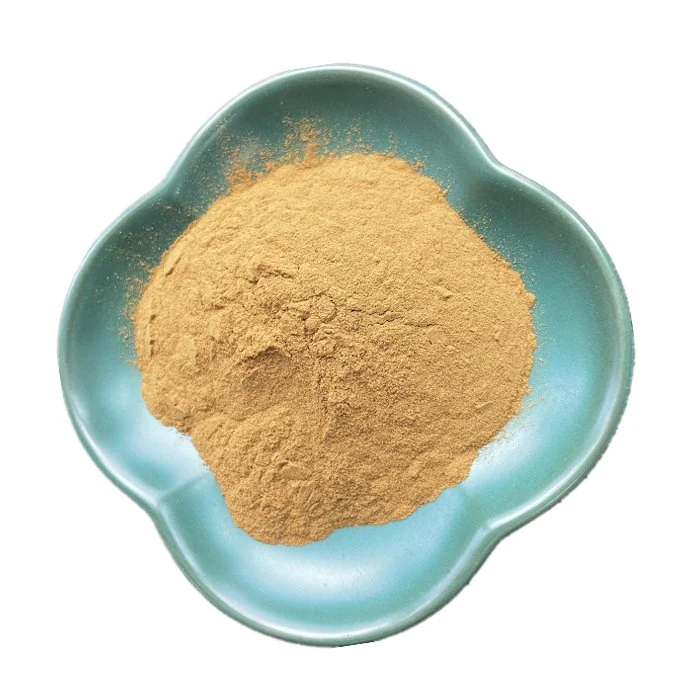
Chromium picolinate is the quiet workhorse of the weight-supplement aisle. It rarely gets the flashy front-of-bottle billing, yet it turns up in an enormous share of products, usually justified by two intertwined promises: that it steadies blood sugar and that it takes the edge off carbohydrate cravings. Both promises have a kernel of real physiology inside them, and both get stretched well past what the evidence can carry. This article separates the kernel from the stretch, and it does so without the wishful thinking that usually surrounds the topic.
A note on scope before we start. This piece is about the mechanism — blood sugar and cravings — rather than the overall size of the weight effect, which we handle separately. If you want the numbers on magnitude, our companion piece on how small the chromium weight-loss effect size really is pools the trial data. Here, the question is narrower and more interesting: what is chromium actually doing when it seems to help?
What chromium is and why insulin is the whole story
Chromium is an essential trace mineral, present in meat, wholegrains, some fruit and vegetables, and needed by the body in genuinely tiny amounts — the adequate intake for adults sits at roughly 25 to 35 micrograms a day. Almost the entire case for chromium in weight and metabolic products routes through a single hormone: insulin.
Insulin is the signal that tells cells to take glucose out of the bloodstream after you eat. Chromium is thought to support insulin's action — to help the signal land more effectively — which is why its recognised nutritional role is described as contributing to normal blood-glucose control and normal macronutrient metabolism. Read that phrasing carefully, because the exact words matter. “Contributing to normal” is maintenance language. It describes a nutrient doing its ordinary job in ordinary physiology. It is a world away from “lowers blood sugar” or “treats” anything, and the gap between those two registers is where most chromium marketing lives.
This distinction is not pedantry. A nutrient that supports a normal process in someone who has enough of it is doing maintenance, not medicine. The interesting question for any individual is whether they are actually short of chromium in the first place — because that is the situation where topping it up could plausibly change something, and it is also the situation almost no product page ever mentions.
How the chromium picolinate weight loss story actually works
Here is the mechanistic chain as the marketing tells it, laid out so you can see exactly where each link is strong and where it frays. Chromium supports insulin; better insulin action means steadier blood sugar; steadier blood sugar means fewer crashes; fewer crashes mean fewer cravings; fewer cravings mean lower intake; lower intake means weight loss. Every link sounds reasonable, and that is precisely the problem, because a chain of reasonable-sounding links is not the same as a measured outcome.
The first link — chromium supporting insulin action — has real support as a nutritional role. The last link — measurable weight loss — is where the trial data comes in thin and inconsistent, which tells you something is being lost along the chain. The likeliest weak point is in the middle. The idea that steadier glucose reliably reduces cravings, and that reduced cravings reliably lower calorie intake, assumes a tidy, mechanical relationship between blood sugar and appetite that human beings do not actually have. People eat for dozens of reasons that have nothing to do with glucose, and a mineral cannot touch most of them.
So the honest version of the chromium picolinate weight loss story is this: the front of the chain is plausible nutrition, the back of the chain is where the evidence thins, and the marketing quietly borrows the credibility of the front to sell the promise of the back. Understanding that structure is more useful than any single study, because it lets you read every chromium product page with the right kind of scepticism.

The cravings question, examined honestly
The craving claim is the most emotionally persuasive part of the pitch and the weakest part of the file. A small number of studies have reported reduced self-rated carbohydrate cravings with chromium picolinate, and some of the more interesting signals came from specific groups — people with depression-related changes in appetite, for instance — rather than from the general population. That is worth knowing, but it is a long way from a general craving cure.
Two problems make the craving evidence hard to trust. The first is that cravings are measured by asking people to rate them, and self-rated appetite is exquisitely sensitive to expectation. If you know you have taken a “craving control” supplement, your rating shifts before any physiology does. Unless a study is rigorously blinded, that expectation effect contaminates the result. The second problem is replication: the encouraging findings have not been reproduced consistently across larger, better-controlled trials, which is the pattern you see when an early signal was partly noise.
None of this means chromium does nothing for cravings in anyone. It means the effect, if real, is modest, probably concentrated in particular people, and easily overstated. If you try it and your afternoon carbohydrate pull genuinely eases, that is a legitimate personal outcome. Just do not build a purchase around it as though it were a settled fact, and do not be surprised if it does nothing at all.
Prefer a stimulant-free formula you can read in full?
Jelly Force does not use chromium at all — it lists five named botanicals at 82 mg per serving, stimulant-free, with the whole panel printed in writing. If you would rather judge a disclosed formula than a hidden blend, start at the source.
See the Official Jelly Force StoreDose: what the studies used and why more is not better
If you decide chromium is worth trying, the dose question is where a little knowledge protects you. Trials aimed at weight or body composition have typically used chromium picolinate at 200 to 1,000 micrograms of elemental chromium a day, for eight to twenty-four weeks. Set that against the adequate intake of about 25 to 35 micrograms a day from food, and the study doses are many times a normal dietary amount.
| Context | Typical daily amount | What it represents |
|---|---|---|
| Adequate intake from food (adults) | About 25–35 mcg | The baseline a mixed diet usually supplies |
| Lower-dose supplements | Around 200 mcg | Common retail dose; well above dietary need |
| Higher study doses | Up to 1,000 mcg | Used in some trials; several times the retail norm |
| Megadose products | Above study ranges | Little added benefit, longer list of unknowns |
The key idea is the response curve. For most nutrients, the benefit of adding more is steep when you are deficient and flat once you have enough. If your diet already covers chromium — which a varied diet generally does — then piling on micrograms is not a stronger version of the same effect. It is simply a larger intake, with diminishing relevance and a growing set of open questions. “More is better” is the instinct the megadose end of the market relies on, and it is the wrong instinct here.
Safety and who should be cautious
For most healthy adults, chromium picolinate at the amounts used in studies has generally been well tolerated over the short term. Reported complaints tend to be mild and non-specific — headache, digestive upset, occasionally disturbed sleep or mood. No tolerable upper intake level has been established, which reflects a shortage of long-term data rather than a clean bill of health at any dose.
The cautions worth taking seriously are specific rather than general. Isolated case reports have linked very high, prolonged intakes to kidney and liver problems, which is a reason to avoid megadose products rather than a reason for alarm about ordinary use. Anyone with existing kidney or liver disease should not be self-dosing trace minerals at multiples of dietary intake. And anyone taking medication that affects blood glucose should talk to a clinician first, for the plain reason that adding a glucose-directed supplement on top of glucose-directed medication risks an additive effect that is not a bonus when it overshoots. None of this is scaremongering; it is the boring, correct caution that product pages tend to skip.
Chromium's honest role is to help a normal process run normally in someone who might be short of it. That is a real job. It is also a much smaller job than the word “craving control” on a label implies.
Where this leaves Jelly Force and the botanical route
We should be direct, because coyness here would be its own kind of dishonesty: Jelly Force does not contain chromium. Its panel names five botanical ingredients — muira puama, maca, catuaba, ashwagandha and L-arginine — at 82 milligrams per serving in total, and it is a stimulant-free daily wellness gummy rather than a mineral-led metabolic formula. We cover chromium picolinate here because it sits inside so many of the products you will be comparing, not because it is in this one.
What transfers from the chromium discussion to any supplement, botanical ones included, is the method: ask what the ingredient's established role really is, in whose language it is described, at what dose it was studied, and whether the amount on the panel resembles the amount in the research. Applied to a proprietary blend that hides its chromium, the honest answer is that none of the trial evidence meaningfully applies. Applied to a disclosed botanical panel, the honest answer is often that the human data is thin — which is exactly the sort of thing worth knowing before you spend. Run the same test on the green coffee bean chlorogenic acid evidence and you will find the pattern repeats across the aisle, and our ranked guide to the best weight loss gummies of 2026 applies it to the whole shelf at once.
The practical takeaway is unglamorous and correct. Chromium is a real nutrient with a real, modest role in blood-sugar handling; a mixed diet of wholegrains, protein, fruit and vegetables covers most people's need for it; and the leverage on cravings and weight sits far more in that dietary pattern than in any microgram of a single mineral. A supplement can support a routine. It cannot be the routine.
Related reading
- Chromium weight trials: how small the effect size really is
- Does Jelly Force actually work? What the evidence shows
- Green coffee bean and chlorogenic acid: an evidence review
- Best weight loss gummies of 2026, ranked by evidence, dose and value
Frequently asked questions
Does chromium picolinate reduce cravings?
The honest answer is maybe, for some people, by a small amount. A handful of small studies have reported reduced self-rated carbohydrate cravings, often in particular groups such as people with depression-related appetite changes, but the findings have not replicated consistently. Craving scores are subjective and easily swayed by expectation, so treat any craving benefit as a possibility rather than a reliable effect.
How does chromium affect blood sugar?
Chromium is thought to support the action of insulin, the hormone that moves glucose out of the blood and into cells. Its recognised nutritional role is contributing to normal blood-glucose control and normal macronutrient metabolism. That is a maintenance role in normal physiology, not a drug-like lowering of blood sugar, and it does not make chromium a treatment for any blood-sugar condition.
What is the chromium dose for weight loss?
Trials aimed at weight or body composition have typically used chromium picolinate at 200 to 1,000 micrograms of elemental chromium a day for eight to twenty-four weeks. For context, the adequate intake for adults is only about 25 to 35 micrograms a day from food, so study doses are many times a normal dietary intake. More is not automatically better once your nutritional needs are met.
Is chromium picolinate safe?
For most healthy adults, chromium picolinate at the doses used in studies has generally been well tolerated in the short term, with mild complaints like headache or digestive upset reported occasionally. No tolerable upper intake level has been set. People with kidney or liver disease, and anyone taking medication that affects blood sugar, should speak to a clinician before using it, because additive effects and pre-existing conditions change the picture.
Scientific references
- NIH Office of Dietary Supplements — Chromium fact sheet for health professionals
- NIH Office of Dietary Supplements — Dietary supplements for weight loss
- PubMed — chromium picolinate and carbohydrate craving (search record)
- NIDDK — Diabetes, diet, eating and physical activity
- Harvard T.H. Chan School of Public Health — Carbohydrates and blood sugar

See a formula that names every ingredient
No hidden blends and no chromium — five named botanicals, 82 mg per serving in total, stimulant-free, US-made in a GMP facility, with a 60-day money-back window. Read the panel before you compare it with anything else.
Go to the Official Jelly Force Store