Blood Sugar Supplements for Weight Loss: How Small the Chromium Effect Size Really Is
Quick answer: how big is the chromium effect on weight?
Across the randomised human trials, chromium supplementation has been associated with an average weight difference of roughly a kilogram or less over two to six months, and the analysts who pooled those trials describe that difference as of uncertain clinical relevance. In plain terms: the average effect is small enough that normal week-to-week fluctuation in body weight would completely hide it, and the trials it comes from were mostly short, small and inconsistent with one another. Chromium is a genuine essential trace mineral with a real role in nutrition, and that is a separate claim from being a useful weight tool.
- Typical trial dose: 200 to 1,000 micrograms of chromium a day, usually as chromium picolinate, for eight to twenty-four weeks.
- Typical result: a small average difference against placebo, frequently not distinguishable from zero in any single study.
- What it is not: a fat burner, an appetite switch, or a treatment for any medical condition.
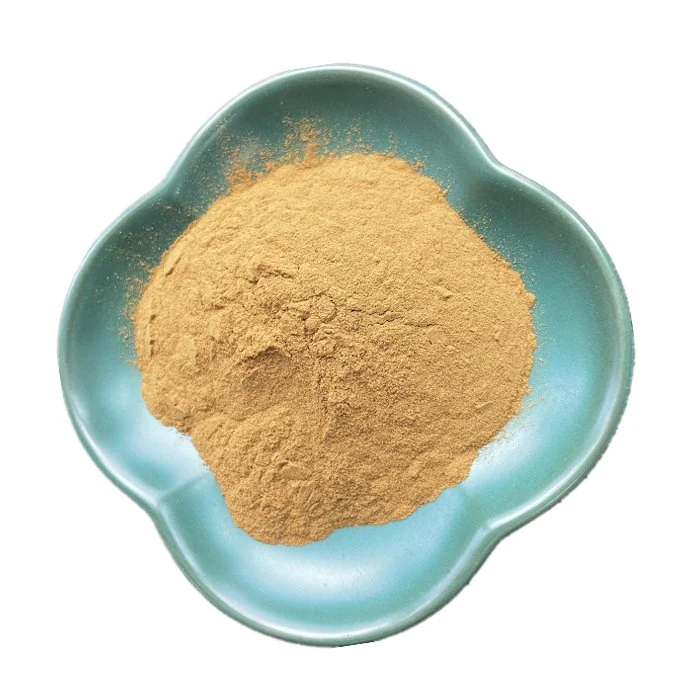
What chromium is, and how it ended up in weight products
Chromium is an essential trace mineral. It occurs in meat, wholegrains, some fruit and vegetables, and the adequate intake set for adults sits at roughly twenty-five to thirty-five micrograms a day — a genuinely tiny amount, and one most mixed diets supply without effort. Overt deficiency in otherwise healthy people is rare, and that fact alone should shape how you read any product built around it.
Its route into weight products came from a mechanistic story rather than an outcome. Chromium was proposed to participate in the body's response to insulin, and if insulin signalling is involved in how the body stores and releases fuel, then the reasoning goes that improving the signal might change body composition. That is a legitimate hypothesis. It is also exactly the kind of hypothesis that supplement marketing converts into a finished claim without waiting for the outcome data.
The mineral then became a fixture for a second, more commercial reason: it is inexpensive, stable, easy to include at a headline-friendly microgram number, and it lets a label print a mineral with a recognised nutritional role next to a list of botanicals nobody has heard of. Once one product did it, the category followed.
What the chromium weight trials actually measured
The randomised literature on chromium and body weight is reasonably large and remarkably uneven. Most trials enrolled between twenty and a couple of hundred adults, ran between eight and twenty-four weeks, and used chromium picolinate at doses far above dietary intake. Endpoints were usually body weight and body mass index, sometimes body fat percentage, sometimes waist circumference, and often a set of glucose and insulin markers alongside.
Three design features recur and each of them inflates apparent results. Dietary advice or an energy-restricted plan is frequently given to every participant, which produces weight change in both arms and makes the supplement's specific contribution hard to isolate. Attrition is often high and not always handled conservatively. And self-reported measures — appetite, craving, hunger ratings — appear as secondary endpoints far more often than they should in trials where participants can guess their allocation.
What emerges when the studies are pooled is a small average difference favouring chromium, wide variation between individual studies, and clear signs that smaller studies reported larger effects than bigger ones. That last pattern is the classic fingerprint of publication practice rather than physiology.
How to read an effect size without being misled
“Statistically significant” and “worth taking” are different sentences, and the gap between them is where most of this category lives. Statistical significance says an observed difference is unlikely to be pure chance given the sample. It says nothing about whether the difference is large enough for a human being to notice or care about.
A one-kilogram average difference across six months is a good worked example. It is real arithmetic. It is also smaller than the swing produced by a salty meal, a menstrual cycle, a change in training, or the difference between weighing yourself on Monday morning versus Friday evening. If an effect cannot be distinguished from ordinary noise by the person experiencing it, describing it as a weight-loss result is technically defensible and practically misleading.
| Form or comparison | Daily amount commonly used in trials | What was typically reported | Strength of the human evidence |
|---|---|---|---|
| Chromium picolinate | 200–1,000 mcg elemental chromium | Body weight, BMI, body fat percentage | Largest body of trials; small average effect, high variability between studies |
| Chromium chloride | Typically at the lower end of that range | Glucose and insulin markers more than weight | Older and thinner; absorption is generally considered poorer |
| Chromium-enriched yeast | Varies widely by preparation | Mixed metabolic endpoints | Limited; results are preparation-specific and hard to generalise |
| Chromium inside a multi-ingredient formula | Rarely stated separately | Whatever the sponsor chose to measure | Weakest; nothing can be attributed to chromium specifically |
| Dietary chromium from food | About 25–35 mcg adequate intake for adults | Nutritional status, not weight outcomes | Well established as nutrition; not a weight intervention |
Read the last row against the first. The trials are testing amounts many times higher than the body's established requirement, in people who are unlikely to be short of the mineral in the first place. That is a strange design to build a shopping decision on.
Compare the panel, not the promise
Jelly Force does not take the mineral route at all — five named botanicals and an amino acid, with the total milligrams printed on the label. If you are deciding where to buy weight loss supplements and want to see what a formula commits to in writing, start there.
See the Official Jelly Force StoreWhy blood sugar supplements for weight loss lean on chromium anyway
If the outcome data is this modest, why is the mineral everywhere? Four reasons, none of them about effectiveness.
It has a real nutritional identity. Chromium is a recognised essential nutrient with an official intake reference, so a label can name it without inventing anything. That borrowed legitimacy does a great deal of work on a panel otherwise filled with botanical extracts.
The mechanism story is easy to tell. Insulin, blood sugar, cravings, storage — the chain of reasoning is intuitive, and intuitive beats accurate in a sixty-second product video every time.
It costs almost nothing. Micrograms of a cheap mineral add a line to an ingredient list at negligible cost per bottle.
It supports compliant phrasing. Because chromium has an established nutritional role, a seller can write “contributes to normal macronutrient metabolism” style wording and stay inside the rules while the customer reads it as a weight claim.
That is the honest anatomy of why blood sugar supplements for weight loss almost all contain this mineral. It is not a conspiracy; it is a set of incentives that point the same way. Anyone searching for the best chromium supplement for blood sugar is choosing between products that mostly differ in packaging, and the more useful question is what else is in the bottle and at what stated amount.
A supplement that produces an average change too small for the person taking it to detect is not doing nothing. It is doing something too small to matter — and those are different sentences that marketing works very hard to blur.
Deficiency is the variable nobody mentions
There is one context where the logic of chromium supplementation is stronger, and it is quietly missing from most product pages. Correcting a genuine nutritional shortfall is a different proposition from adding extra to someone who already has enough. Almost every nutrient behaves this way: the response curve is steep when you are deficient and flat once you are replete.
This is the most plausible explanation for the inconsistency across the chromium literature. If some participants started with a marginal intake and others did not, the two groups would respond differently, and averaging them produces exactly the small, unstable effect the pooled analyses report. It is also why testing chromium status is not part of the retail proposition — a product sold to everyone cannot depend on a measurement that would disqualify most buyers.
Practically: eating wholegrains, meat, nuts and vegetables covers the requirement for most people. A supplement is not a substitute for a diet that lacks them, and the mineral is not where the leverage is if your dietary pattern is the actual problem.

Safety, tolerability and the sensible ceiling
Chromium at the amounts used in trials has generally been well tolerated in the short term, and no tolerable upper intake level has been established, largely because the data needed to set one does not exist rather than because none is needed. Reported complaints are usually mild and non-specific: headache, sleep disturbance, digestive upset, occasional mood changes.
The caveats worth taking seriously are narrower. Isolated case reports have linked very high intakes over long periods to kidney and liver problems, which is a reason to treat megadose products with suspicion rather than a reason for general alarm. Anyone with existing kidney or liver disease should not be self-prescribing trace minerals at multiples of dietary intake. And anyone taking medication that affects blood glucose should involve a clinician before adding anything marketed around glucose handling, for the straightforward reason that additive effects are not a bonus when they overshoot.
What chromium cannot do
Plainly, and without the hedging that usually surrounds this part of a page.
It cannot treat, cure, prevent or reverse any disease, and no dietary supplement may be sold as though it can. Nothing in the trial literature approaches that standard, and any product page implying otherwise is telling you how it treats the rules.
It cannot substitute for an energy deficit. In the trials where weight moved, diet advice moved it too, and the supplement's contribution sat on top of a dietary change rather than replacing one.
It cannot reliably switch off cravings. The appetite findings are the weakest part of the file — small studies, subjective scales, inconsistent replication, and a measure exquisitely sensitive to knowing what you took.
It cannot be made to work by taking more. Above the point where nutritional status is covered, additional micrograms are not a stronger version of the same effect; they are simply a larger intake with a longer list of unknowns.
And it cannot rescue a formula that does not disclose its amounts. If a panel hides chromium inside a proprietary blend, none of the trial literature applies to that product in any meaningful way.
Where this leaves Jelly Force and other botanical formulas
Being direct is more useful than being coy: chromium is not in this product. Jelly Force's own label names five ingredients — muira puama, maca, catuaba, ashwagandha and L-arginine — and states 82 milligrams per serving in total. It is a botanical vitality gummy rather than a mineral-led metabolic formula, and pretending otherwise to capture a search term would be exactly the behaviour this article criticises.
What transfers is the method. Ask what was measured, over how long, in whom, at what dose, and whether the amount on the panel resembles the amount in the studies. Run that on a weight loss supplement chromium listing and most of the shelf answers badly. Run it on a botanical and you will often find the honest answer is that the human data is thin — which is worth knowing before you spend, not after. Our companion piece on what the fenugreek appetite studies actually measured applies the same test to the botanical side of the aisle, and the piece on berberine and insulin sensitivity trials does it for the most studied compound in the category.
Frequently asked questions
How much weight did chromium move in the human trials?
Pooled analyses of the randomised trials generally report an average difference of around a kilogram or less over two to six months, and the authors who ran those analyses describe the clinical relevance of that difference as uncertain. It is a real average, and it is small enough that ordinary week-to-week fluctuation would hide it.
What chromium dose did the studies use?
Most trials used chromium picolinate at somewhere between 200 and 1,000 micrograms of elemental chromium a day, for eight to twenty-four weeks. For comparison, the adequate intake for adults is set at roughly 25 to 35 micrograms a day, so the trial amounts are many times a normal dietary intake.
Does chromium stop sugar cravings?
That claim is popular and the evidence behind it is weak. A few small studies have reported changes in self-rated appetite or craving scores, mostly in specific groups, and results have not replicated consistently. Appetite ratings are subjective and highly sensitive to expectation, which makes unblinded findings hard to trust.
Does Jelly Force contain chromium?
No. The Jelly Force label names five ingredients — muira puama, maca, catuaba, ashwagandha and L-arginine — totalling 82 mg per serving, and chromium is not one of them. We cover chromium because it appears in a large share of the products you will compare, not because it is in this one.
Scientific references
- NIH Office of Dietary Supplements — Chromium fact sheet for health professionals
- NIH Office of Dietary Supplements — Dietary supplements for weight loss
- PubMed — randomised trials of chromium picolinate and body weight (search record)
- Harvard T.H. Chan School of Public Health — Healthy Weight
- Mayo Clinic — Weight loss: six strategies for success
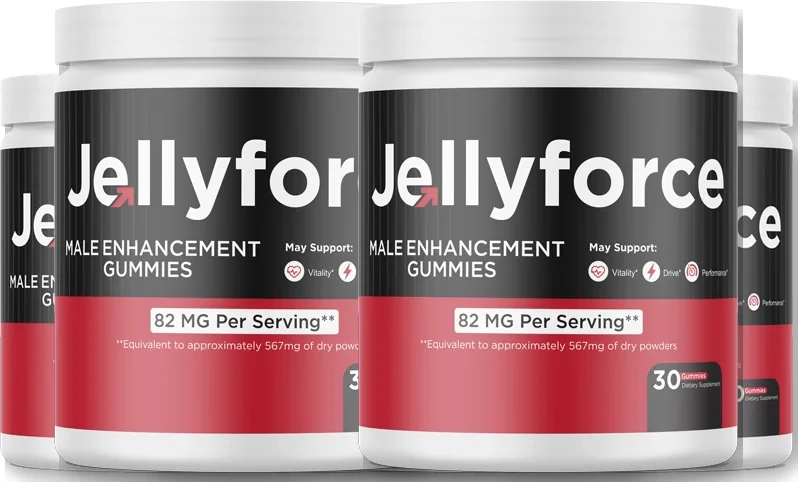
See what Jelly Force puts on its label
Five named botanicals, 82 mg per serving in total, free US shipping on the larger bundles and a 60-day money-back window that starts at purchase. Read the panel before you compare it with anything else.
Go to the Official Jelly Force Store