Jelly Force Official Website › Articles › Honest safety analysis
Honest safety analysisAshwagandha and the liver: a quiet safety file
One ingredient on this bottle has a documented pattern of liver injury.
A 2026 scoping review collected 13 publications describing 25 patients, typically after weeks of use, usually cholestatic and usually resolving on stopping — including one transplant and three deaths among people who already had cirrhosis. Here it is, in proportion.
Why this article is on the seller's own website
Because a reader who finds this out afterwards was right not to trust the page that hid it, and because the thing being described is manageable once it is known.
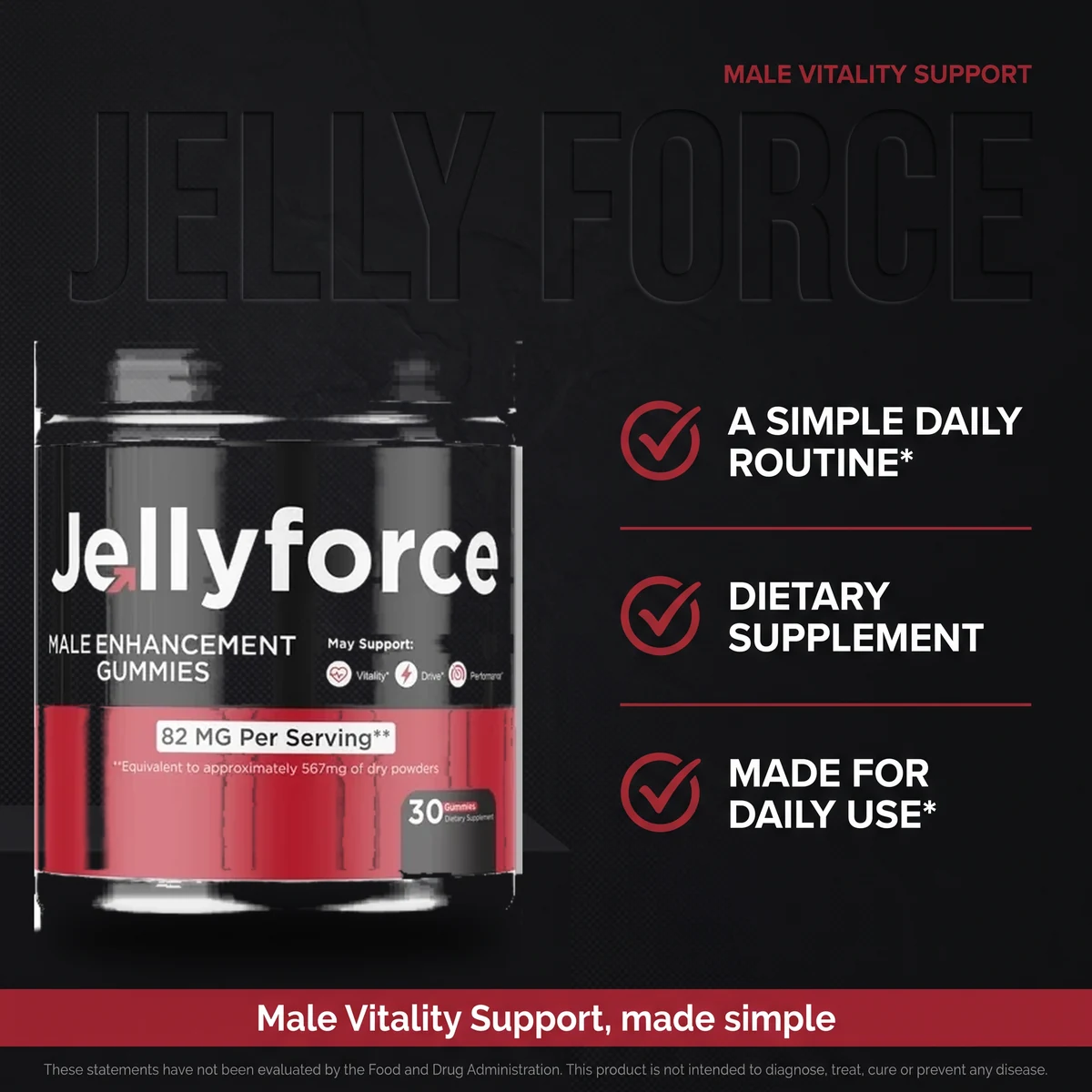
Ashwagandha is one of the nine ingredients on this bottle’s panel. It has more randomised trials behind it than any other herb on it, and the best-documented safety file on the label.
Jelly Force is a dietary supplement and not a treatment. Nothing here is medical advice. Difficulty that is new, persistent or getting worse is a recognised early signal of vascular trouble and deserves an assessment rather than a purchase — a 2026 review in Nature Reviews Urology sets out why, and the NIDDK patient guide sets out what an assessment involves.
What the published record holds
A 2026 scoping review searched the peer-reviewed clinical literature through December 2025 for reports of liver injury associated with ashwagandha, whether in single-ingredient products or in formulations containing it. Thirteen publications met its criteria, describing 25 patients across several parts of the world.
The pattern the review describes is consistent enough to have a shape:
- Injury typically developed after weeks of use rather than after a single exposure.
- The biochemical picture was usually cholestatic or mixed; purely hepatocellular injury was less common.
- The common presentation was jaundice and itching.
- Where formal causality assessment was applied, ashwagandha was generally rated probable or likely as the cause.
- Most patients recovered after stopping, usually over weeks to months.
- The severe end: one case of acute liver failure requiring transplantation, and three deaths — all three in people who already had cirrhosis and decompensated.
The LiverTox monograph, maintained by the National Institute of Diabetes and Digestive and Kidney Diseases, covers the same ground for a clinical audience. The NCCIH page does it for a general reader, and a 2026 critical review of the herb's adverse effects adds gastrointestinal effects, immune hypersensitivity and endocrine disruption to the list, with cytochrome P450 metabolism proposed as one route to reactive intermediates.
| What is documented | What that means in practice |
|---|---|
| 25 reported patients across 13 publications | A reproducible syndrome rather than a single anecdote, and a small number against very wide use |
| Onset after weeks of use | A bottle started today is not a same-day risk; a routine kept for months is the exposure pattern described |
| Usually cholestatic, usually reversible on stopping | Jaundice, dark urine or persistent itching are the signals to stop and be seen |
| Three deaths, all with pre-existing cirrhosis | Existing liver disease is the clearest exclusion on this label |
| Idiosyncratic rather than clearly dose-dependent | A small serving is not a guarantee of safety, and nobody has established a threshold |
Summarised from the scoping review and the LiverTox monograph, both linked at the foot of this article.
Keeping it in proportion
Two things need saying in the same breath as the paragraphs above, or this article becomes its own kind of dishonesty.
The first is scale. Twenty-five reported patients is a small number against the volume of ashwagandha sold worldwide, and case reporting is a system that captures the unusual rather than the typical. Most of the reported patients recovered after stopping.
The second is amount. Most of the cases involve single-ingredient ashwagandha products at amounts far above the 5 mg or less that its place in this 82 mg blend allows. Nobody has established a threshold below which nothing happens, which is why the reaction is described as idiosyncratic, but the exposure here is at the very low end of anything reported.
So the honest position is neither alarm nor silence. It is that a specific, documented, manageable risk exists, that it attaches to one named ingredient, and that two groups of people should ask before starting.
Order Jelly Force with the safety file read
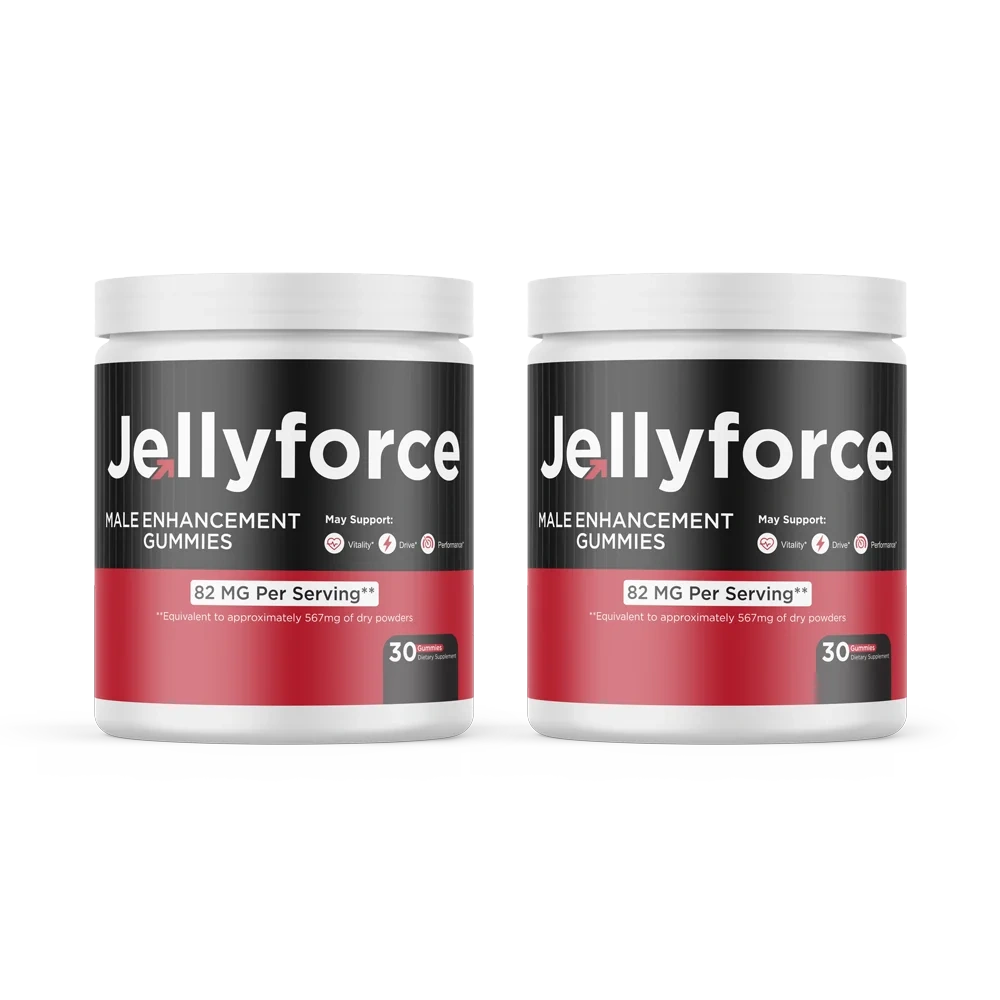
Nine named ingredients on a printed panel, and a website that publishes the awkward literature as well as the flattering kind. 60 days from purchase to decide.
Two bottles $158 · six bottles $294 · 60-day money-back guarantee
Order Jelly Force From This CounterLot JEL-26/JE-6975 · one a day, 30 to a bottle · ships from the United States
Who should ask before starting
- Anyone with liver disease of any kind, and especially anyone with cirrhosis. This is the clearest exclusion on this label and it comes directly from the three deaths in the review.
- Anyone with a history of drug-induced or herb-induced liver injury. A previous idiosyncratic reaction is the best predictor anybody has.
- Anyone taking a medicine with its own hepatic profile, which is a long list and is exactly the sort of question a pharmacist answers in thirty seconds.
- Anyone with a thyroid condition. A reported case of painless thyroiditis and a modest T4 rise across 23 trials are both on the record.
- Anyone who develops jaundice, dark urine or persistent itching while taking it. Stop and be seen; that is the whole instruction.
How a herb ends up in a case report at all
Worth understanding, because it explains both why the number is small and why it should not be dismissed.
Idiosyncratic liver injury is not a dose effect in the ordinary sense. It is a reaction that happens in a small number of people for reasons that are largely individual — genetics, enzyme variation, what else is being taken, what else the liver is dealing with. The 2026 critical review proposes metabolism through cytochrome P450 enzymes as one route, producing reactive intermediates and oxidative stress.
That has two consequences a reader should hold together. The first is that a small serving is not a guarantee, because the mechanism is not a simple threshold. The second is that the base rate is low, because most people take these products without incident and the literature only records the ones that went wrong.
It also explains the reporting lag. A case report exists because a clinician thought to ask what a patient was taking, wrote it up, and got it published. Everything about that chain under-counts, which is why twenty-five patients in thirteen publications is a signal rather than a census.
- Reported after weeks, not hours. The exposure pattern is a routine, not a single dose.
- Usually reversible. Stopping is the treatment in most of the reported cases.
- Worse with existing liver disease. Every death in the review was in somebody who already had cirrhosis.
- Under-counted by construction. Case reporting captures the unusual and the noticed.
- Not predictable in advance. Which is why the advice is to know the signals rather than to calculate a safe amount.
What the rest of this bottle's safety file looks like
Ashwagandha is the loudest entry and it is not the only one. Set beside the other eight names on the panel, the picture is uneven in a way worth seeing whole.
| Name | What the safety literature holds | Practical reading |
|---|---|---|
| Ashwagandha | Liver injury, thyroid effects, gastrointestinal effects | The two checks in this article |
| L-Arginine | Well tolerated at gram amounts; the issue is interaction rather than toxicity | Mention it to anyone prescribing a nitrate, an erectile-dysfunction drug or a blood-pressure medicine |
| Maca extract | Reported as well tolerated in the twelve-week trial at up to 3 g a day | Nothing specific to flag at this serving size |
| Catuaba extract | In vitro monoamine oxidase A inhibition at high concentrations | A dish is not a person, but worth mentioning alongside any antidepressant |
| Muira puama extract | No randomised human trial; covered in a review of herbal sexual enhancers for adverse effects | Too little studied in people to say much either way |
| Green tea extract | Uncommon liver injury, mainly from concentrated tablets and capsules | The other liver record on this label, at a much smaller amount here |
| Caffeine, 5 mg | Raises blood pressure and heart rate at ordinary doses | Less than a cup of tea; count it if you are sensitive |
| Tribulus terrestris | One 2024 case of severe liver and kidney injury; trials found adverse events no more common than placebo | Jaundice is the signal to stop, as with ashwagandha |
| Horny goat weed extract | Not linked to liver injury by LiverTox; icariin inhibits PDE5 in a dish | An interaction question rather than a liver one |
An ingredient with no safety file usually has no efficacy file either. The two absences travel together, and both are information.
What this means for reading any label
Ashwagandha is in an enormous number of products, most of which do not mention any of the above. A reader who now knows to look for the word has something genuinely useful, and it transfers well beyond this bottle.
It is also a reminder that natural and safe are unrelated concepts. The all-natural emblem on this packaging, like the one on most packaging in this aisle, carries no agreed definition and says nothing about a liver. The ingredient with the best trials on this label is also the one with the safety file, and those two facts are not a coincidence: an ingredient nobody has studied has no safety file either. Green tea extract, on the panel and absent from the advertising, is the other name here with a liver record.
Ashwagandha has a reproducible pattern of idiosyncratic, usually cholestatic liver injury: 25 reported patients across 13 publications, typically after weeks of use, usually resolving on stopping, with one transplant and three deaths in people who already had cirrhosis. Liver disease, a previous herb-induced injury or a thyroid condition are all reasons to ask first. The full safety page covers the rest of the label.
- McIntyre D, Nguyen P, Kim Y, Meyer B, Salloum M. Ashwagandha (Withania somnifera)-Associated Liver Injury: A Scoping Review of Clinical Characteristics and Safety Considerations. Cureus. 2026;18(5):e109764. PMID 42367407. https://pubmed.ncbi.nlm.nih.gov/42367407/
- Kumar A, Sah BK, Ahmad F, Jamwal V, Sahu SK. Potential Adverse Effects of Ashwagandha: A Critical Review of Preclinical and Clinical Evidence. Phytother Res. 2026;40(8):4913-4931. PMID 41502355. https://pubmed.ncbi.nlm.nih.gov/41502355/
- Hayashi M, Kotani M, Oshiro K. Painless Thyroiditis by Withania somnifera (Ashwagandha). Cureus. 2024;16(3):e55352. PMID 38559552. https://pubmed.ncbi.nlm.nih.gov/38559552/
- Fornalik M, Malkiewicz A, Adamczak D, Nawrocki F, Zielinska A, Mondal SA. Hormonal Modulation with Withania somnifera: Systematic Review and Meta-Analysis of Randomized-controlled Trials. Planta Med. 2026;92(8):790-805. PMID 41740946. https://pubmed.ncbi.nlm.nih.gov/41740946/
- Ashwagandha. LiverTox: Clinical and Research Information on Drug-Induced Liver Injury. National Institute of Diabetes and Digestive and Kidney Diseases, NCBI Bookshelf. https://www.ncbi.nlm.nih.gov/books/NBK548536/
- Ashwagandha. National Center for Complementary and Integrative Health, National Institutes of Health. https://www.nccih.nih.gov/health/ashwagandha
- Green Tea: Usefulness and Safety. National Center for Complementary and Integrative Health, National Institutes of Health. https://www.nccih.nih.gov/health/green-tea
- Mohy-Ud-Din N, Jonassaint N. Severe Liver and Renal Injury From Tribulus Terrestris. ACG Case Rep J. 2024;11(2):e01267. PMID 38328764. https://pubmed.ncbi.nlm.nih.gov/38328764/
- Durukan E, Jensen CFS, Grundtvig Skaarup K, Fode M. Erectile dysfunction and cardiovascular health. Nat Rev Urol. 2026. PMID 42649386. https://pubmed.ncbi.nlm.nih.gov/42649386/
- Erectile Dysfunction (ED). National Institute of Diabetes and Digestive and Kidney Diseases, National Institutes of Health. https://www.niddk.nih.gov/health-information/urologic-diseases/erectile-dysfunction