Jelly Force Official Website › Articles › Safety & interactions
Safety & interactionsReading across the panel: where Jelly Force's ingredients overlap with common medications
Jelly Force's nine named ingredients touch at least four separate medication pathways: nitric oxide (shared with nitrates and PDE5-inhibitor drugs), blood pressure regulation, sedation, and stimulant load.
None of this means the gummy is dangerous at its printed amounts. It means a reader taking a prescription in any of these four categories has more than one ingredient on this panel worth mentioning to whoever prescribes it — not only the one the label itself already flags.
Why one panel can touch several medicine cabinets
A 2020 review in Pharmaceuticals looked across fifteen herbal “sexual enhancers” — muira puama, maca and ashwagandha among them — specifically for interaction risk, and its conclusion was blunt: “drug interactions are more concerning, considering that herbal aphrodisiacs are likely used together with other plant extracts and/or pharmaceuticals,” while noting that “few data are available on the side effects of several plants.”1 A blend of nine ingredients multiplies that concern by nine, not because each ingredient is individually alarming, but because a reader checking only the one interaction the manufacturer chose to print may miss three others sitting in the same gummy.
Most single-ingredient interaction guidance a reader finds online is written for a product containing that one ingredient, at a stated dose, taken by itself. A proprietary blend breaks that assumption twice over: the dose is not stated for eight of the nine names, and the ingredient is never taken by itself, because it arrives already mixed with eight others that may act on overlapping systems. Reading a blend label for interactions therefore means reading it ingredient by ingredient and then asking whether any two rows point at the same pathway, which is the approach this article takes.
Jelly Force is a dietary supplement and not a treatment. Nothing here is a substitute for a pharmacist or prescriber reviewing your own medication list. New, persistent or worsening sexual difficulty is a recognised early signal of vascular disease and deserves an assessment rather than a purchase — a 2026 review in Nature Reviews Urology sets out why.
The nitric oxide pathway: L-arginine and horny goat weed
L-arginine is the amino acid the body uses to make nitric oxide, the same signalling molecule that nitrate medicines supply directly and that erectile-dysfunction drugs such as sildenafil work by prolonging. Jelly Force's own printed warning already names this overlap. Horny goat weed's marker compound, icariin, adds a second route into the same pathway: a 2026 review in Sexual Medicine Reviews summarising icariin's mechanisms lists “inhibition of PDE5 activity” among several proposed mechanisms identified across animal and in-vitro work, the same enzyme that PDE5-inhibitor drugs target directly.2 The same review is explicit that icariin's clinical efficacy “still requires further confirmation in high-quality randomised controlled trials” — the mechanism is documented, the human trial is not.
| Ingredient | Pathway | Shared with | What the evidence shows |
|---|---|---|---|
| L-arginine | Nitric oxide precursor | Nitrate medicines, PDE5-inhibitor drugs, blood pressure medicine | Feeds the same signal these drugs supply or prolong; also lowers blood pressure on its own in trials3 |
| Horny goat weed (icariin) | PDE5 inhibition (mechanistic, not clinical) | PDE5-inhibitor drugs, nitrate medicines | Multiple proposed mechanisms including PDE5 inhibition; no confirmed human trial2 |
Blood pressure medicine and the arginine trials
The clearest human evidence on this panel for any cardiovascular interaction concerns L-arginine directly. A 2022 systematic review and dose-response meta-analysis in Advances in Nutrition pooled randomised trials of L-arginine supplementation and found it lowered blood pressure, with the effect concentrated at higher gram-scale doses.3 That is a genuine effect on the exact system a blood pressure medicine already manages. On this label, arginine sits after caffeine in the blend's printed order, bounding it at 5 mg or less — a small fraction of the doses that meta-analysis pooled — but a small amount added to an existing blood pressure medicine and several other nitric-oxide-active ingredients on the same panel is a stack a prescriber should know about, not a reader's private calculation.
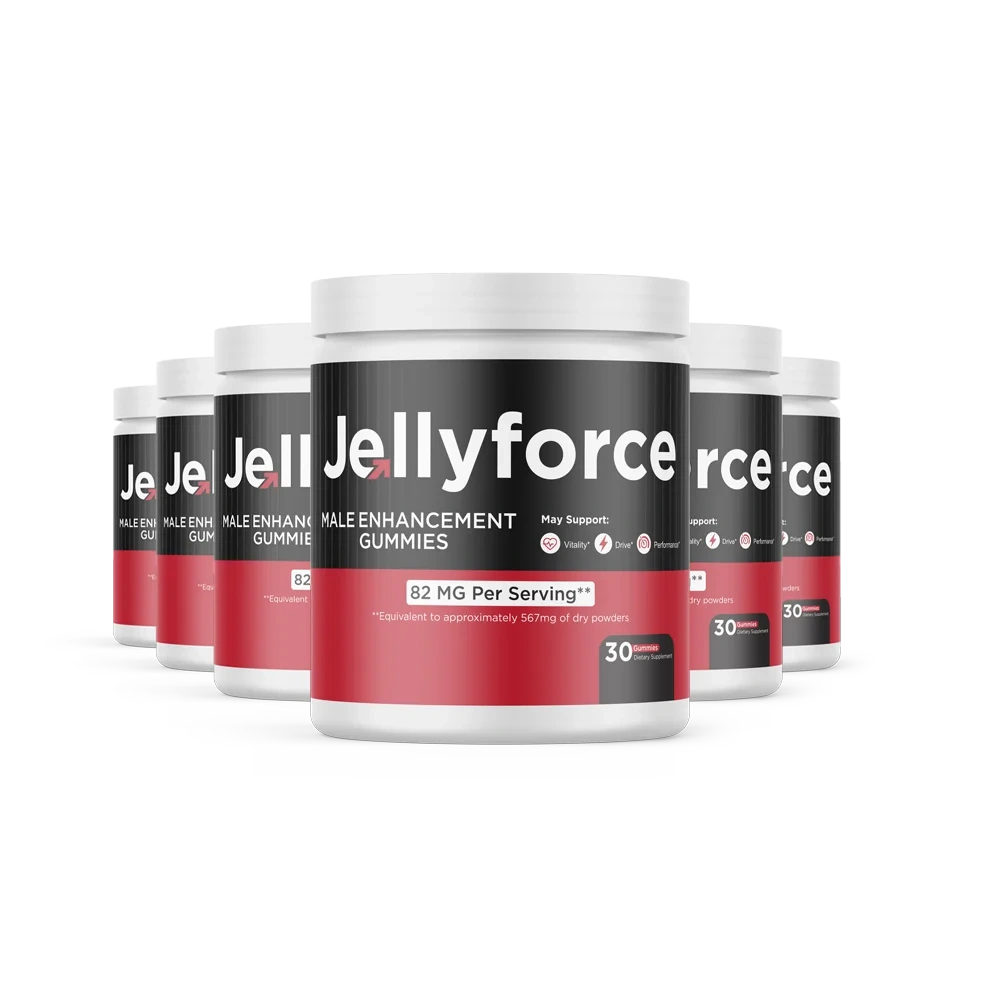
Ashwagandha: sedatives and thyroid medication
Ashwagandha carries two separate interaction questions, and both are current. A 2026 narrative review in Pharmaceuticals covering herbal supplements with anxiolytic, antidepressant and sedative effects — Withania somnifera included — identifies “cytochrome P450-mediated drug interactions, excessive sedation, serotonin syndrome, and toxic effects associated with adulterated products” as the clinically relevant risks across this class of herb, while also confirming clinical benefits for mood, stress and sleep.4 Anyone taking a prescribed sedative, sleep medicine or antidepressant is exactly the reader that review is describing.
The second question is thyroid function. Ashwagandha has a research history aimed specifically at hypothyroidism support: a 2026 review in Annals of Neurosciences examines Ayurvedic herbal medicines, ashwagandha among them, for alleviating hypothyroidism and its neuropsychiatric symptoms.5 That direction of research implies a real effect on thyroid hormone levels, and a 2026 safety trial in Frontiers in Nutrition, testing ashwagandha root extract at 2,000 mg a day in healthy adults for twelve weeks, measured thyroid parameters as one of its primary safety outcomes and found small, statistically detectable, clinically insignificant changes.6 Small and insignificant at a healthy baseline in that trial is not the same statement as small and insignificant for someone already on thyroid replacement medicine, whose dose is calibrated against a narrow target range. On this label, ashwagandha is listed after caffeine, bounding it at 5 mg or less, well below the 2,000 mg tested in that safety trial, but the direction of the two research programmes — one testing ashwagandha as thyroid support, one monitoring thyroid labs as a safety check — is consistent enough that anyone on thyroid medicine has a specific, citable reason to mention this gummy at their next review.
Stimulants: caffeine and green tea alongside other stimulant use
Jelly Force prints 5 mg of caffeine and, immediately ahead of it in the blend's order, green tea extract, which supplies its own caffeine and catechins. MedlinePlus, the U.S. National Library of Medicine's consumer health service, notes plainly that caffeine can interact with a range of medicines and that people should check with a health care provider about combining it with their own prescriptions.7 Five milligrams is a small amount next to a cup of coffee, but it is not zero, and it adds to whatever caffeine, energy drinks or other stimulant-containing supplements a reader already takes across a day — a detail worth totalling up rather than assuming a single small gummy sits in isolation.
Tribulus and hormone-sensitive conditions
Tribulus terrestris is the fourth ingredient the safety literature flags. The randomised trial behind Jelly Force's own tribulus citation tested it in men with sexual dysfunction at 1,500 mg a day of a concentrated extract, roughly three hundred times the most this label's blend order allows tribulus here.8 The 2020 herbal-enhancer review notes that plants in this category acting on androgen-related pathways carry a theoretical interaction with hormone-sensitive conditions and hormone-affecting medicines, again while noting the underlying human data are thin.1 That combination — a real but small theoretical concern, and a research base too sparse to rule it in or out with confidence — is the same shape as several of the other rows in this article, and is worth naming rather than skipping past.
What the label's own warning already says
To be fair to the product itself: Jelly Force's printed warning already tells a buyer to consult a doctor before use if they take medication, and this website's own disclaimer already names the nitric-oxide overlap between L-arginine, horny goat weed and blood-pressure or PDE5-inhibitor drugs specifically. What this article adds is the rest of the panel: the sedative and thyroid questions around ashwagandha, the stimulant load from caffeine and green tea together, and the hormone-pathway question around tribulus, none of which the standard warning sentence spells out by name.
A checklist for the conversation with a prescriber
- List every prescription and regular supplement you take, not just the one you suspect might interact.
- Bring the ingredient list from the Supplement Facts panel, not just the product name — a prescriber checking one brand name cannot look up nine botanical names from memory.
- Say the categories out loud: nitrate or PDE5-inhibitor drugs, blood pressure medicine, sedatives or sleep aids, antidepressants, thyroid medicine, and any other stimulant-containing product you use.
- Ask specifically about combined, additive effects across more than one ingredient on the panel, not just the single interaction a label happens to print.
- If a symptom appears after starting — unusual drowsiness, a blood-pressure reading outside your normal range, palpitations, or a thyroid-medicine dose that suddenly feels off — treat it as new information for that conversation, not something to wait out.
Jelly Force's nine ingredients touch four separate medicine pathways: nitric oxide, blood pressure, sedation and stimulant load. The label already names one of them. Ashwagandha's sedative and thyroid research, the arginine blood-pressure trials, the caffeine-and-green-tea stimulant load, and tribulus's hormone-pathway question are each real, each documented, and each worth a specific mention to whoever manages your prescriptions — not because this gummy is unusually risky, but because nine ingredients is nine separate questions.
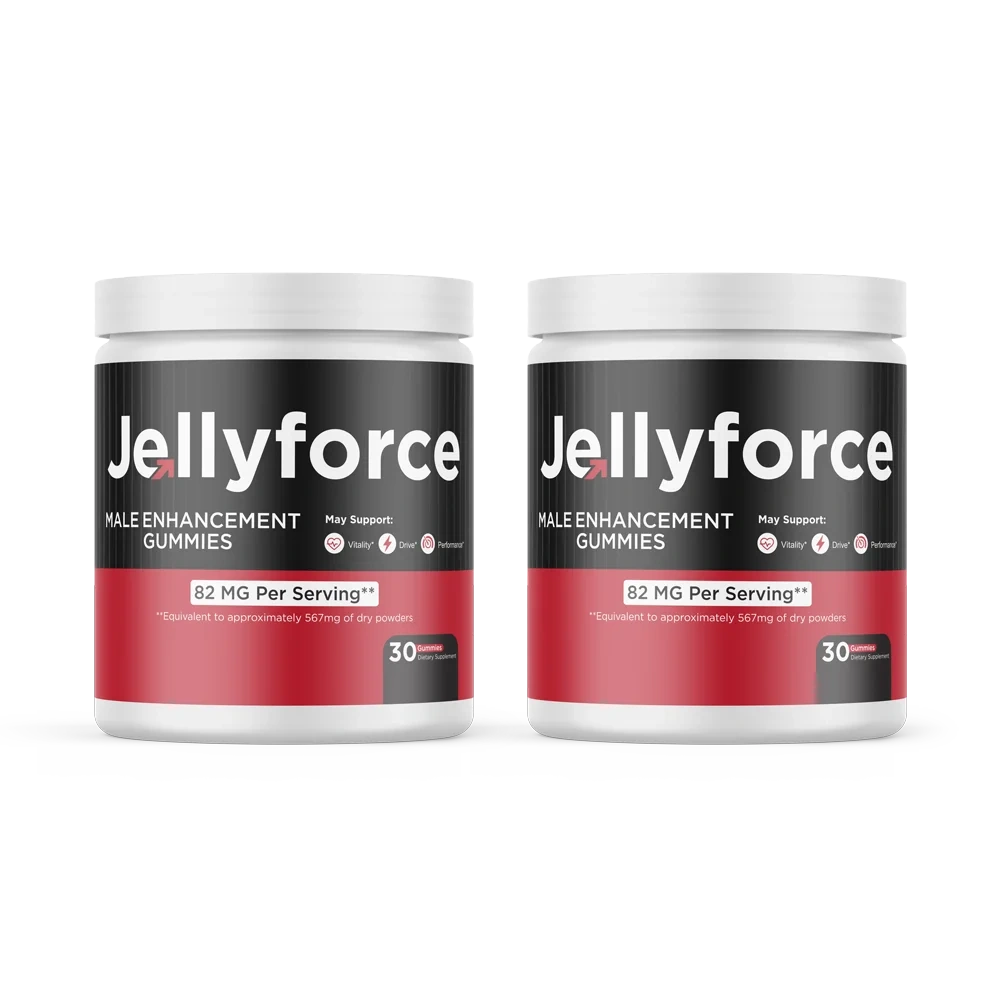
Order Jelly Force with your medicine list checked first
Nine named ingredients on the panel, four documented medicine pathways, and a printed warning worth taking to a prescriber before the first gummy.
Two bottles $158 · six bottles $294 · 60-day money-back guarantee
Order Jelly ForceOne a day, 30 to a bottle · ships from the United States
Related reading on this label
Two companion pieces work through nearby ground in more depth: the ashwagandha liver-safety literature, and what the evidence shows for two ingredients with no human trial at all.
- Brunetti P, Lo Faro AF, Tini A, Busardò FP, Carlier J. Pharmacology of Herbal Sexual Enhancers: A Review of Psychiatric and Neurological Adverse Effects. Pharmaceuticals (Basel). 2020;13(10):309. PMID 33066617. https://pubmed.ncbi.nlm.nih.gov/33066617/
- Meng C, Jiang R. Molecular mechanisms of icariin in the treatment of erectile dysfunction. Sex Med Rev. 2026;14(3). PMID 42476543. https://pubmed.ncbi.nlm.nih.gov/42476543/
- Shiraseb F, Asbaghi O, Bagheri R, Wong A, Figueroa A, Mirzaei K. Effect of l-Arginine Supplementation on Blood Pressure in Adults: A Systematic Review and Dose-Response Meta-analysis of Randomized Clinical Trials. Adv Nutr. 2022;13(4):1226-1242. PMID 34967840. https://pubmed.ncbi.nlm.nih.gov/34967840/
- Căuș MN, Lupoae M, Chiţescu CL. Efficacy and Safety of Herbal Supplements with Anxiolytic, Antidepressant, and Sedative Action: A Review of Clinical Data and Toxicological Risks. Pharmaceuticals (Basel). 2026;19(3):399. PMID 41901246. https://pubmed.ncbi.nlm.nih.gov/41901246/
- Jaglan G, Balkrishna A, Varshney A. Alternative and Complementary Therapies: A Review Exploring the Role of Yoga and Ayurveda-based Herbal Medicines in Alleviating Hypothyroidism and Its Neuropsychiatric Manifestations. Ann Neurosci. 2026 May 20. PMID 42183570. https://pubmed.ncbi.nlm.nih.gov/42183570/
- Movva N, Salve J, Debnath K, Thakare V, Langade D. Safety and tolerability of Ashwagandha (Withania somnifera) root extract in healthy adults: a prospective, non-comparative study. Front Nutr. 2026;13:1823678. PMID 42253745. https://pubmed.ncbi.nlm.nih.gov/42253745/
- Caffeine. MedlinePlus, U.S. National Library of Medicine. https://medlineplus.gov/caffeine.html
- Kamenov Z, Fileva S, Kalinov K, Jannini EA. Evaluation of the efficacy and safety of Tribulus terrestris in male sexual dysfunction-A prospective, randomized, double-blind, placebo-controlled clinical trial. Maturitas. 2017;99:20-26. PMID 28364864. https://pubmed.ncbi.nlm.nih.gov/28364864/
- Durukan E, Jensen CFS, Grundtvig Skaarup K, Fode M. Erectile dysfunction and cardiovascular health. Nat Rev Urol. 2026. PMID 42649386. https://pubmed.ncbi.nlm.nih.gov/42649386/